For many people who purchase recreational drones, for either the use of cinematography or sport; one of the biggest selling points is excitability and size. Two of the biggest companies competing in having the most successful drone products are GoPro (releasing there first drone called Karma only two weeks ago) and DJI who have specialized in drones for years are both finding ways to engineer the most practical and convenient drones, without losing quality.

The Drone seen on the left side is the DJI Mavic, and the drone on the right is the GoPro Karma.
Both of these drones have very impressive structural pastiches, but I want to compare the physical structure of both of them.
The first I wanna look at in GoPro's Drone, as it was there first drone released and released only a few days before the DJI one was
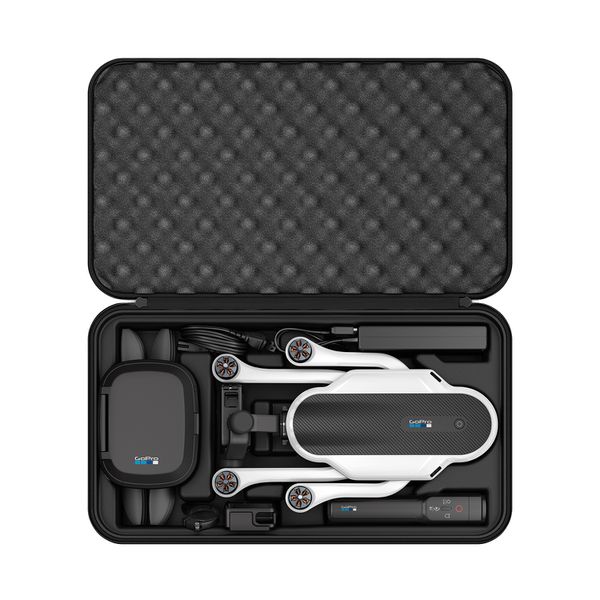
The biggest selling point for Karma is its ease of use. That starts with a foldable design for easy storage and carrying. GoPro is even including a small backpack with the drone. Karma users will control the quadcopter from a very simple clamshell-shaped controller. On one half of the controller is a touchscreen display and on the other are two joysticks with a bare minimum of buttons. You can use the controller to set up a cable cam mode, too.
/cdn0.vox-cdn.com/uploads/chorus_asset/file/7127323/karma_2.0.jpg)
The Last Drone that came out only a few days after the Karma is DJI's response to why they think they can engineer a better drone.
the Mavic Pro utilizes multiple and redundant GPS and GLONASS sensors to give it incredible stability in flight and greatly increase safety. In addition to its advanced GPS positioning system, the Mavic Pro also features their newly re-designed Vision Positioning System that uses five cameras to continuously monitor surroundings, avoid obstacles, and return to its takeoff point to land with centimeter accuracy.

Well, depending on the user's preference, both drones come with their own perks. For one, the GoPro Karma boasts of its "more than just a drone" feature. Unlike most drones, the Karma plugs into GoPro's extensive network of accessories. This kind of edge is hard to beat especially for people who have been patronizing GoPro products for quite a while. So basically, the comparison boils down to choosing between a superior drone and a superior network.

No comments:
Post a Comment